


What Is Mindfulness for Kids? Benefits and Simple Ways to Start
Mindfulness for kids is the simple practice of noticing what is happening right now, such as their breath, their body, their feelings and the world around them, with curiosity and without judgement. It is a skill, not a personality trait, which means every child can learn it with a little gentle practice. Just a few minutes a day can help children feel calmer, name their feelings and bounce back from tricky moments.
Below, we explain what mindfulness looks like for children, why it matters, and the easy activities you can start at home this week.
What does mindfulness mean for children?
For adults, mindfulness can sound like sitting cross legged in silence. For kids it is much more playful. It might be listening for three different sounds in the backyard, feeling a cool breeze on their cheeks, or noticing that their tummy feels fluttery before a big day at school.
At its heart, mindfulness teaches children to slow down and observe. When they can notice a feeling before it takes over, they have a tiny pause in which to choose what happens next. That pause is where so much growth happens.
Why mindfulness matters for kids
Children today juggle busy schedules, screens and plenty of big feelings. Mindfulness gives them a steady place to return to. Many families find that regular practice helps with:
- Understanding emotions. Children learn to recognise and name what they feel, which makes big feelings less overwhelming.
- Responding rather than reacting. A few slow breaths can turn a meltdown into a conversation.
- Focus and attention. Practising paying attention on purpose can make it easier to settle into reading, homework or play.
- Resilience and confidence. Kids who know how to calm their bodies often feel braver when things go wrong.
- Kindness and empathy. Noticing their own feelings helps children notice how others feel too.
- Winding down. A mindful moment before bed can help children let go of the day.
These are lifelong skills. The child who learns to take three deep breaths at six is building habits they can lean on as a teenager and an adult.
Mindfulness as emotional education
Mindfulness is not only about being calm. It is also a gentle way to teach emotional literacy. When children practise noticing, they start to:
- Recognise and name their feelings
- Pause before acting on impulse
- Show compassion to themselves when they make mistakes
- Understand that feelings come and go
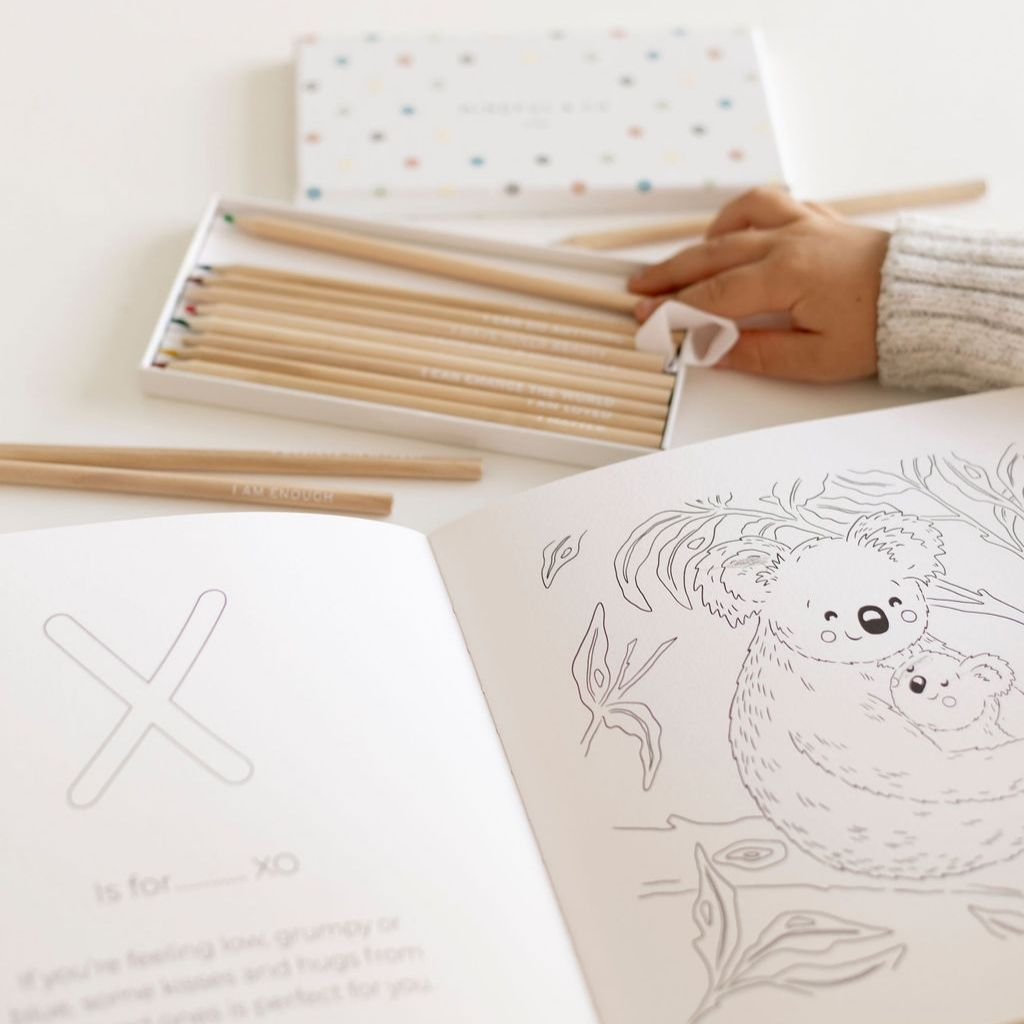
Stories, colouring, drawing and journaling are all lovely ways in. Ask your child to draw how they feel today, or pause during a bedtime story to wonder how a character might be feeling and why.
Simple mindfulness activities to try at home
You do not need special training or lots of time. Choose one or two of these ideas and repeat them often. Consistency matters more than length.
1. Balloon breathing
Ask your child to breathe in slowly through their nose and imagine their belly filling up like a balloon. Then they let the air out slowly through their mouth as the balloon gently deflates. Three to five balloon breaths is plenty.
2. Five finger breathing
Your child holds up one hand and traces up each finger with the other hand as they breathe in, then down the other side as they breathe out. Five fingers equals five calm breaths, and it gives busy hands something to do.
3. Sensory awareness
Invite your child to close their eyes and describe what they can hear, feel and smell. Outdoors, try a sensory walk where they notice five things they can see, four they can hear and three they can touch.
4. A nature table
On your next walk, ask your child to collect five natural treasures, such as pine cones, feathers, interesting sticks, seed pods, smooth stones or shells. Check with you first before picking any flowers or leaves. At home, set up a small table or a cloth covered box and let them arrange their finds like a collage. Spending a minute or two each day noticing the shapes, colours, textures and scents is a beautiful way to bring a little outdoor calm inside. For more ideas, read our guide to practising mindfulness in nature.
5. A gratitude jar
Find a big jar, label it "Gratitude Jar" and let your child decorate it. Whenever something happens that they feel thankful for, help them write or draw it on a slip of paper and pop it in. Once a week, empty the jar together and talk about how each moment felt. Even toddlers can join in with your help.
6. Mirror me yoga
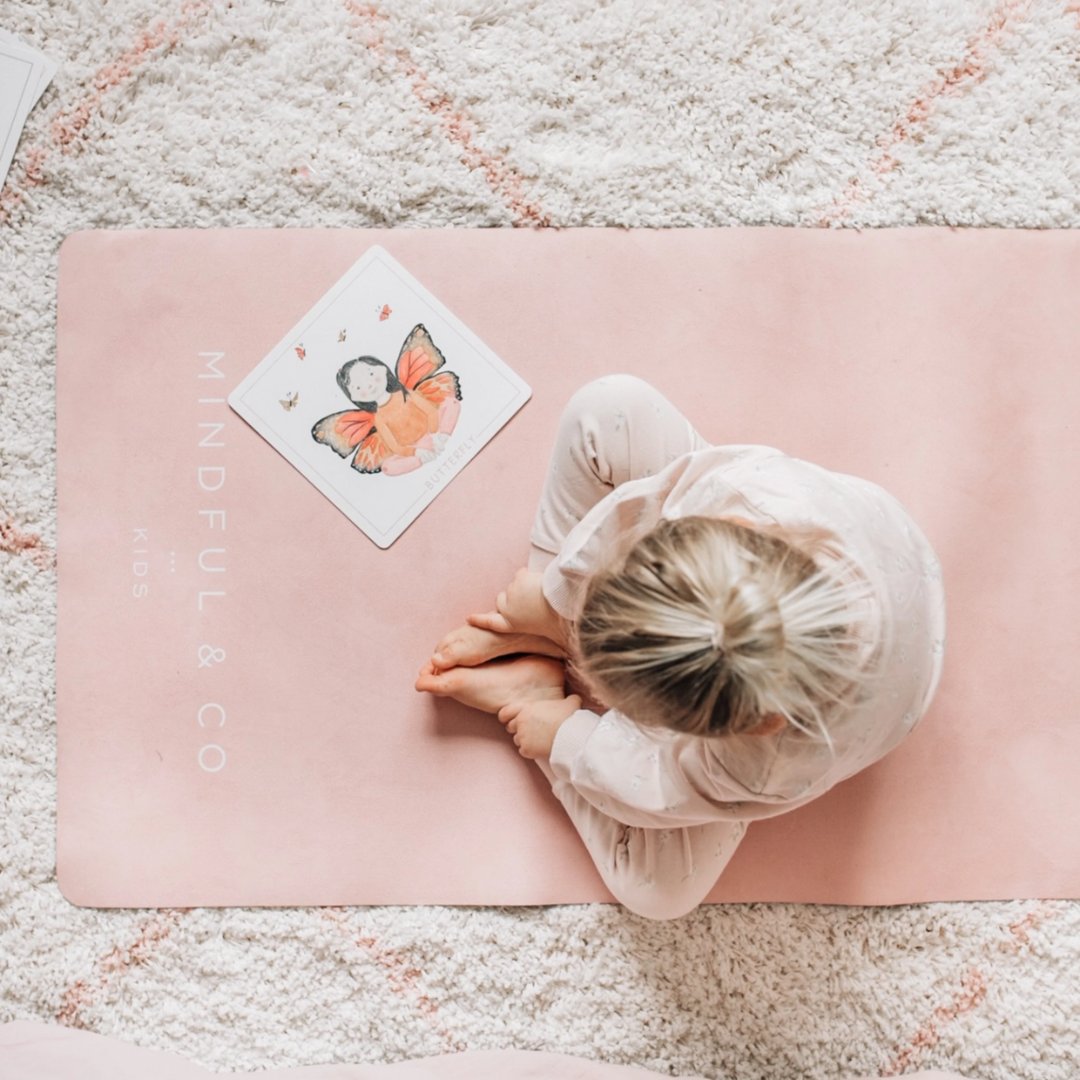
Stand facing your child and make eye contact. One of you is the leader and the other is the mirror. The leader moves slowly into a yoga pose and the mirror copies as closely as they can, so you start moving together. Try five poses, then swap roles. It is wonderful for body awareness, observation and connection. Our Yoga Flash Cards make it easy to learn a handful of poses before you begin.
7. Mindful eating
At one meal or snack, invite everyone to eat the first few bites slowly. What colour is it? What does it smell like? Is it crunchy, soft or chewy? This turns an everyday moment into a practice.
8. A cuddle and breathe moment
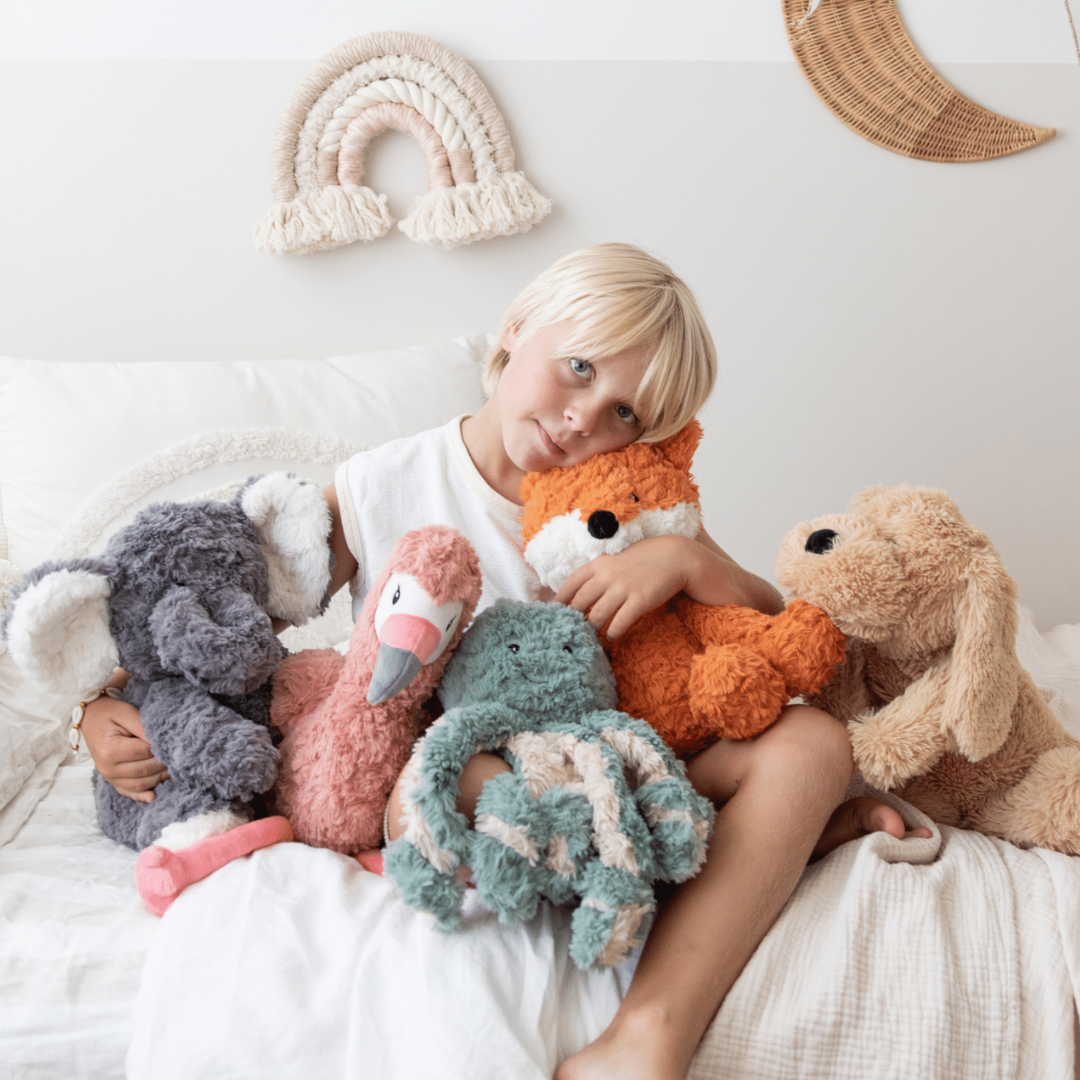
Some children find it easier to settle with something soft to hold. Lying down with a Weighted Buddy resting on their tummy lets them watch it rise and fall with each breath, which makes belly breathing feel like a game.
Weaving mindfulness into your day
The easiest way to build a habit is to attach it to something you already do.
- Morning: Take three deep breaths together and set a simple intention, such as "Today I will be kind."
- Before school: A few slow breaths in the car or at the gate can set a calm tone for the day.
- After school: A short walk where you both notice what you see and hear.
- Bedtime: Share one thing you are grateful for, or read a positive affirmation together from our A to Z Mindful Affirmation Cards.
Keep it light and playful. If your child is not in the mood, try again tomorrow. Modelling it yourself, by naming your own feelings and taking a visible deep breath when you feel frazzled, is one of the most powerful lessons of all.
The lifelong gift of mindfulness
Mindfulness gives children a set of tools they carry everywhere: a way to notice how they feel, a way to calm their body, and a way to be kind to themselves and others. By making it part of everyday family life through play, movement, stories and gratitude, you are helping your child grow into a calm, confident and caring person, one mindful moment at a time.
FAQs
What age can children start mindfulness?
Children can begin as soon as they can follow simple instructions. Toddlers enjoy short, playful activities like balloon breathing or a gratitude jar with your help, while older children can try longer breathing exercises, journaling and yoga.
How long should kids practise mindfulness each day?
A few minutes is enough to start. Two to five minutes of breathing, noticing or gratitude practised most days is more helpful than one long session once a week.
What is the easiest mindfulness exercise for kids?
Balloon breathing is a great first step. It is simple, needs no equipment and can be used anywhere, from the car to the bedroom, whenever your child needs a calm moment.
Is mindfulness the same as meditation?
Not quite. Meditation is one way to practise mindfulness, but mindfulness can happen during everyday activities like eating, walking, colouring or playing. For kids, short and playful practices usually work best.