




4 Ways to Practice Mindfulness in Nature
There is something special about time outdoors. On a sunny morning we feel a lift in our energy. After a summer storm, the air smells fresh and the garden looks greener than ever. Many of us notice that a little time in nature leaves us feeling calmer and more refreshed.
Being outside is also a wonderful invitation to be mindful. Stopping to look at a flower, listening to the birds or noticing the sound of our own footsteps all help us slow down and reconnect with ourselves and the world around us. For children, the outdoors is a natural, playful place to start practising mindfulness, and it can help them grow in curiosity, care for others and awareness of their own feelings along the way. Here are four simple ideas to try with your kids.
1. Go on a Sensory Scavenger Hunt
A scavenger hunt built around the five senses is a brilliant first step. Move slowly and focus on one sense at a time. Start with sight: what colours can your kids spot? Then sound: can they hear a kookaburra, the breeze or water trickling nearby? Next, smell: perhaps eucalyptus leaves, freshly cut grass or flowers in bloom.
To make it extra fun, draw or print a simple picture checklist before you head out. Include things like a feather, a smooth stone, a gum nut, a flower and a bird, and let your children tick them off as they find them.
Finish with touch. Find a safe patch of grass or sand, take your shoes off and ask your children to describe how it feels under their feet. Is it soft, scratchy, warm or cool? Standing barefoot and noticing those sensations is a lovely, simple way to feel present in the moment.
2. Watch the Clouds Drift By
Sometimes the most mindful thing you can do is nothing at all. Spread a picnic rug in the backyard or at your local park, lie back together and watch the sky.
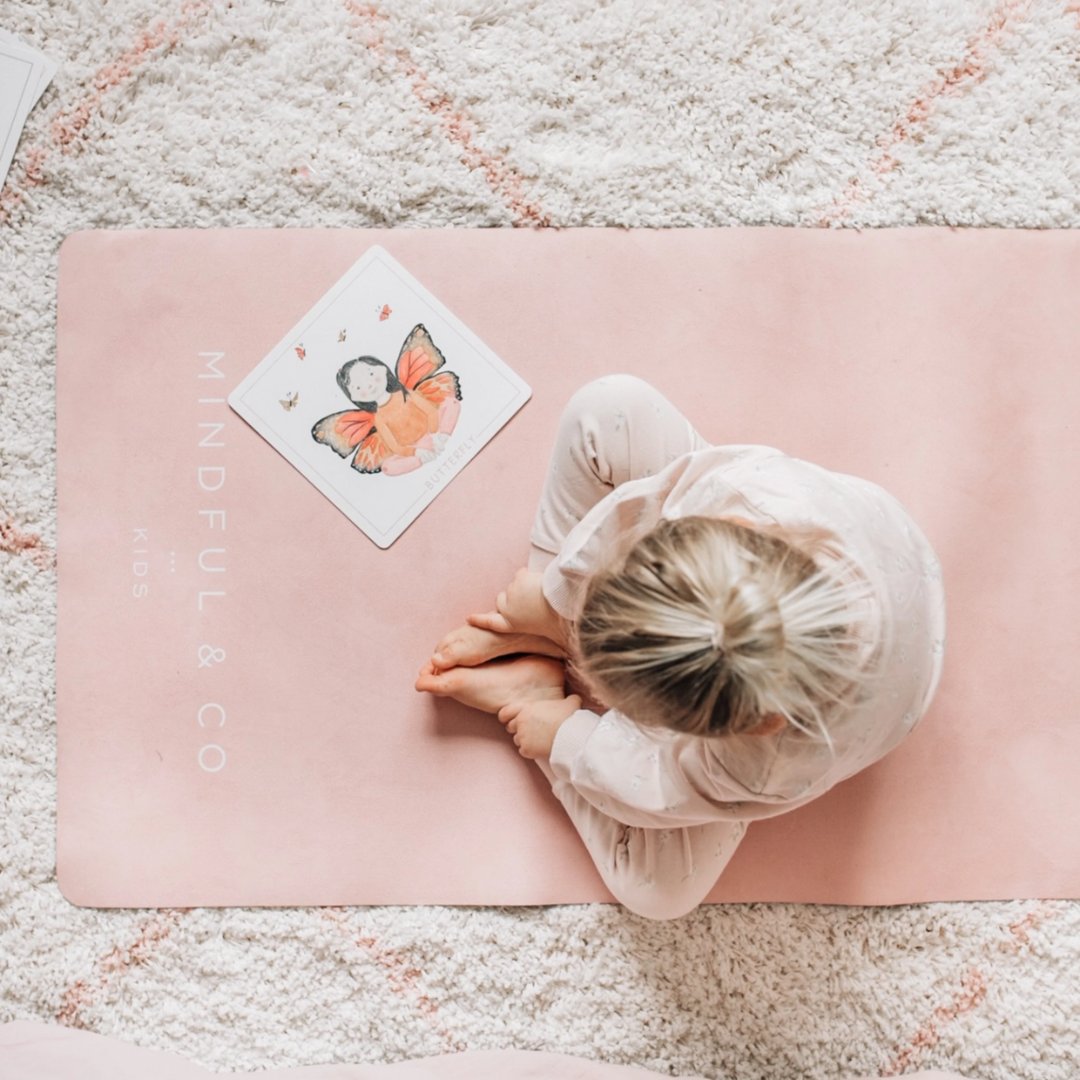
As the clouds float past, invite everyone to breathe in and out slowly. Then ask your kids what shapes they can see. Is that one a dragon? A koala? A giant ice cream? Cloud watching lets imaginations run free while bodies stay still and relaxed. If you have a kids yoga mat, bring it along and finish with a few gentle stretches on the grass. Our guide to the benefits of yoga for kids has easy poses to try outdoors.
3. Pack the Binoculars
When we really look closely, there is so much to see. Pop a small pair of binoculars in your bag on your next bush walk or trip to the park, and let your children take turns watching birds, insects and anything else that catches their eye.
On the way home, ask them about what they spotted. What colour was the bird? What was the beetle doing? Talking it through helps them remember the details and enjoy the experience all over again.
4. Make Art With Nature
Creating something with natural materials is a wonderful way to be mindful. Kids can draw on the footpath with chalk, arrange leaves, petals, sticks and gum nuts into a picture on the ground, or collect pretty bits and pieces to make a collage at home.
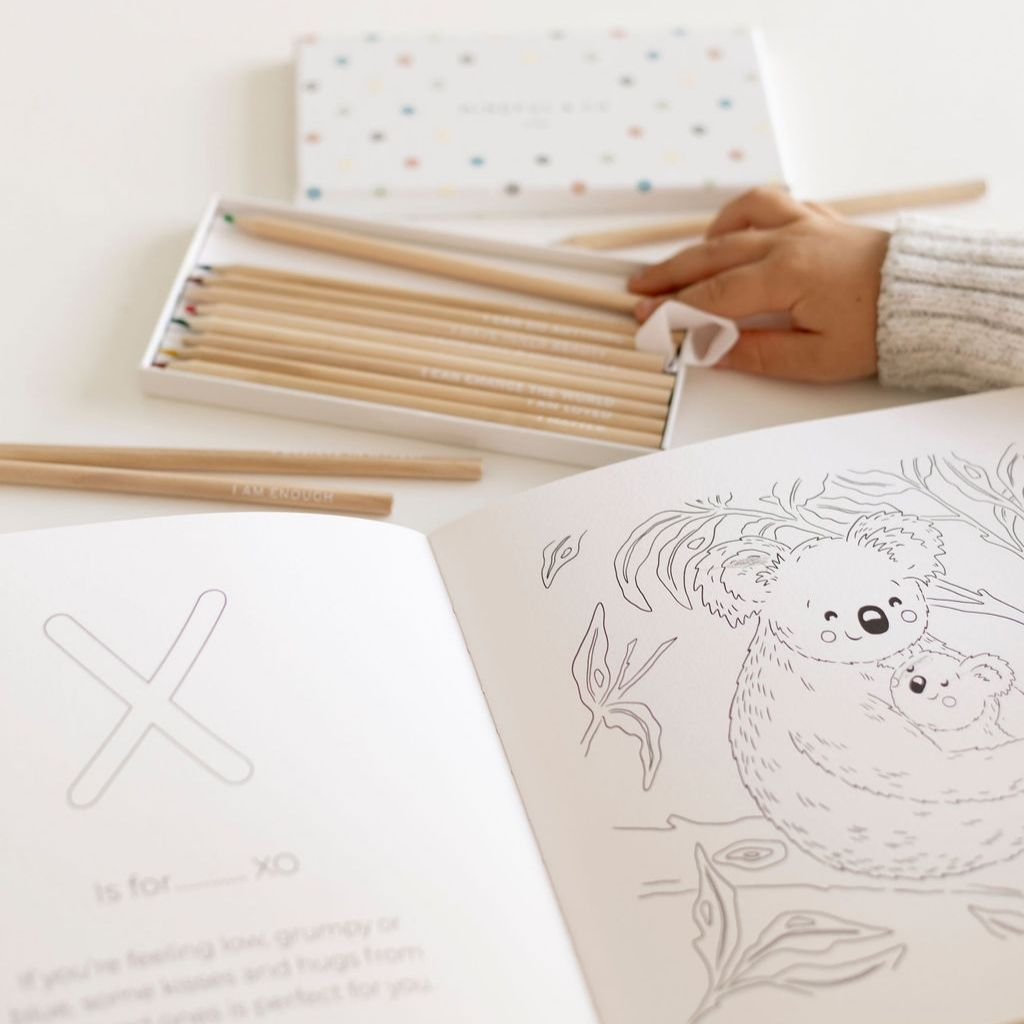
Making art asks for gentle focus and careful attention, which is exactly what mindfulness is about. There is no right or wrong way to do it, so let your children lead and follow their ideas. If you would like a few prompts to keep the mindful mood going once you are back inside, the ABCs of Mindfulness cards offer simple activities for every letter.
Making Time for Nature
Rain, hail or shine, the outdoors always has something new to show us. Try setting aside a little time each week to get outside together, even if it is just a wander around the block. As your children practise noticing the world around them, they can become more aware of their own feelings, more caring towards living things and a little more settled in themselves. And you get to enjoy it right alongside them.
FAQs
Do we need to go somewhere special to practise mindfulness in nature?
Not at all. Your backyard, a local park or even a tree lined street can work beautifully. The key is slowing down and noticing.
What age are these nature activities suitable for?
Toddlers through to primary school kids can enjoy all four. For younger children, keep activities short and simple, and add more detail as they grow.
What can we do on rainy days?
Watch the rain from a window, listen to the sound it makes on the roof or pop on gumboots and a raincoat for a puddle walk. Nature is just as interesting when it is wet.