


How to Set Up a Calm Down Corner for Kids at Home
A calm down corner is a small, cosy space where your child can go to slow down when feelings get big. It is not a time out. It is a welcoming spot they can choose, stocked with a few simple tools that help them breathe, cuddle, fidget and settle before they rejoin the day.
You do not need a spare room or a big budget. A corner of a bedroom, a nook under the stairs or a quiet spot in the classroom is plenty. Here is how to set one up in six simple steps, plus a checklist and ideas for small spaces.
What is a calm down corner?
A calm down corner is a dedicated quiet space with soft furnishings and a handful of sensory and mindful tools. Children learn that it is a safe place to take a pause, notice how they feel and choose something that helps them feel calm again. It works best as a positive, inviting space, never as a punishment.
Calm corners are popular at home and in early learning centres and classrooms because they give children a simple, predictable routine for big moments, and they give parents and teachers a gentle alternative to "go to your room".
How to set up a calm down corner in 6 steps
1. Choose a quiet spot
Pick a corner away from the TV and busy walkways, where your child can still see or hear you. A corner with walls on two sides feels naturally snug. Keep it in the same place so it becomes familiar.
2. Make it soft and cosy
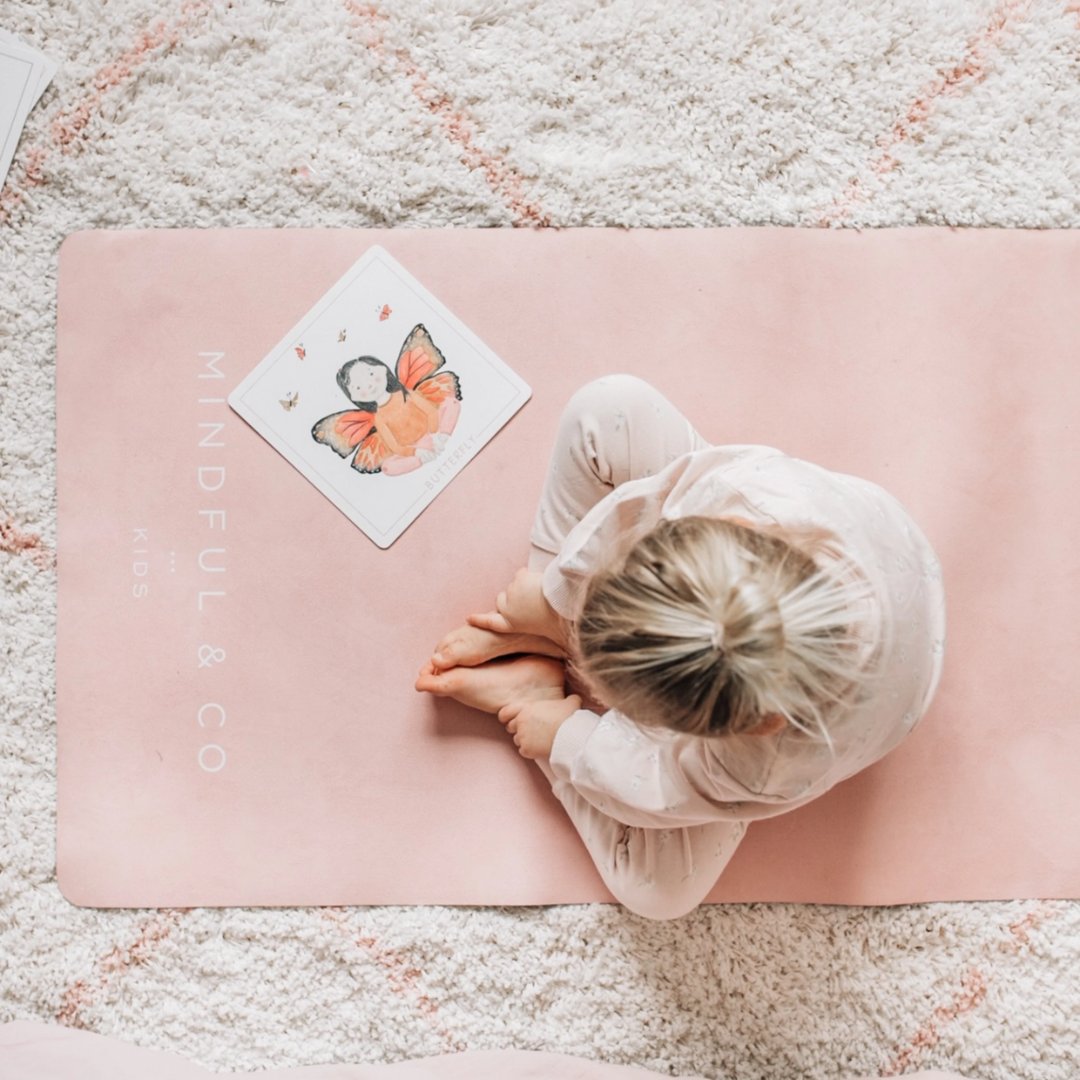
Add a floor cushion or beanbag, a soft throw and something to sit or lie on. A kids yoga mat works beautifully here, because it marks out the space and doubles as a spot for stretching. Soft, warm lighting such as a small lamp or fairy lights helps the corner feel different from the rest of the room.

3. Add something to hold
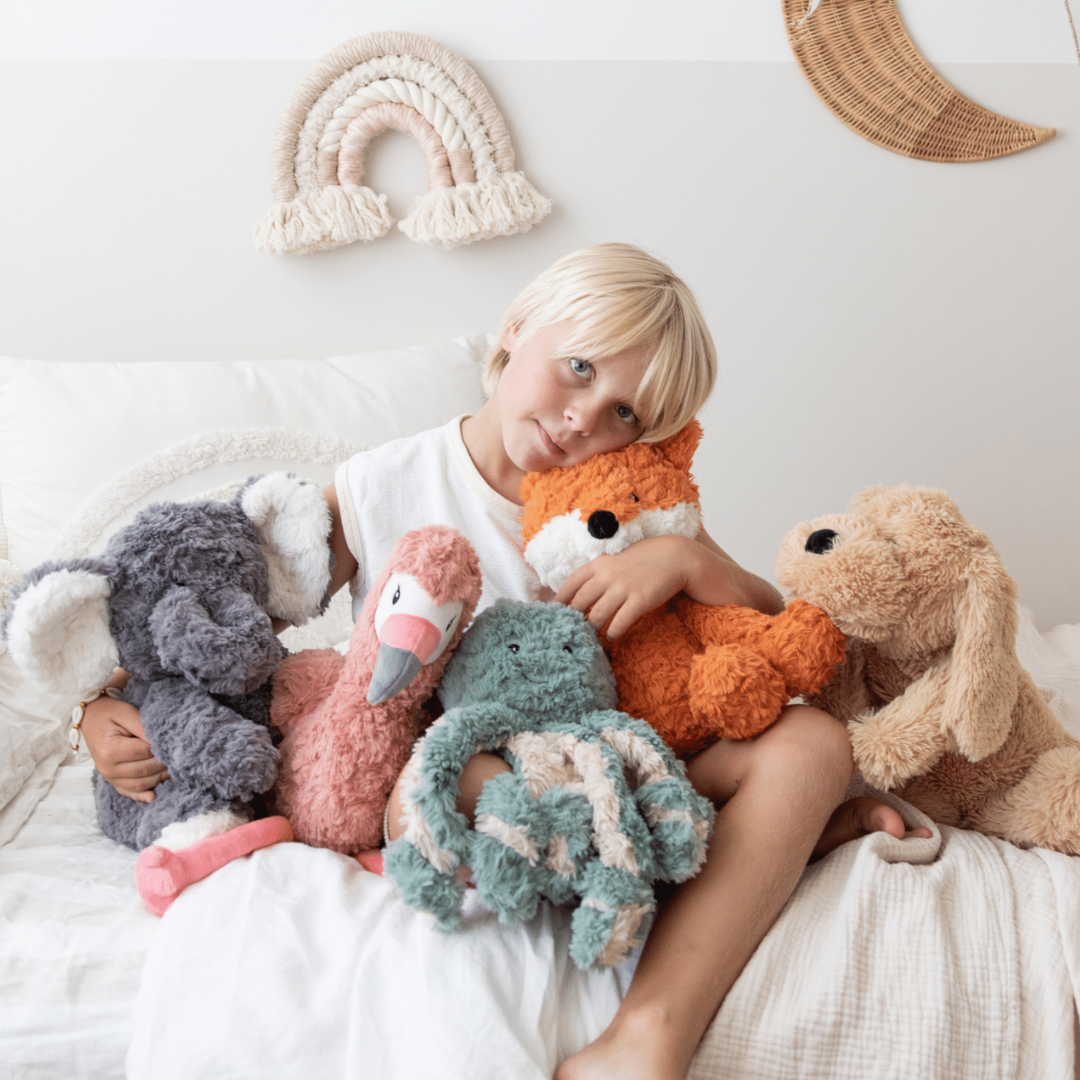
Many children want something to cuddle when they need a pause. A Weighted Buddy is a super soft stuffed animal that weighs 1.5 kg, so it feels like a warm, steady hug on their lap or chest. Each Buddy is infused with dried French lavender for a gentle scent. Weighted Buddies are suitable for ages 3 and up. They are not suitable for children under 3 and should never be placed in a cot. Not sure which Buddy to choose? Our weighted teddy buying guide can help.

4. Add a breathing tool
Telling a child to "take a deep breath" rarely works in the moment. Showing them does. The Mindfulness Magic Ball expands as your child breathes in and closes as they breathe out, turning slow breathing into something they can see and follow with their hands.
5. Add something for busy hands
Some children settle best when their hands are busy. Worry Stones and Patience Pebbles give them something to hold, rub, sort and arrange while they slow down.
6. Add words and pictures
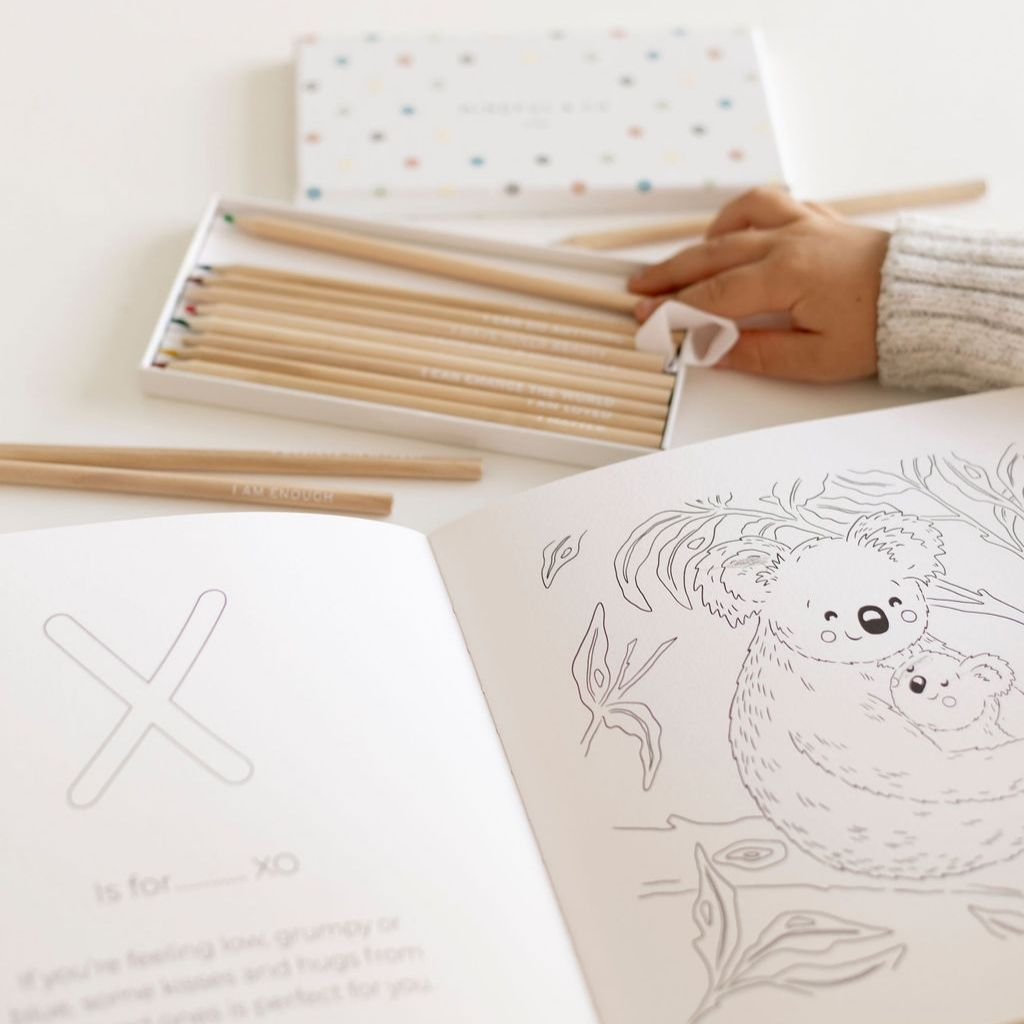
Young children often do not have the words for big feelings yet. Simple visuals help. Keep a set of A to Z Mindful Affirmation Cards in a basket so your child can pick a kind phrase to read together. Our printable kits include activities like a feelings thermometer, breathing exercises and a calm plan you can print and stick on the wall at your child's eye level.
How to introduce the calm down corner
- Set it up together. Let your child help choose the cushion, the Buddy and where things go. Children use spaces they feel ownership of.
- Practise when everyone is calm. Visit the corner on a good day, try the breathing ball and read a card together, so it already feels familiar when a big moment comes.
- Invite, do not send. Try "Would you like to go to your calm corner?" or "Shall we go together?" rather than sending them there.
- Keep it short and flexible. There is no set time. Let your child stay as long as they need and come back when they are ready.
- Check in afterwards. Once they are settled, a quick chat about what helped builds the habit for next time.
- Use it yourself. When children see you take a slow breath or a quiet minute, they learn that everyone needs a pause sometimes.
Calm down corner checklist
- A soft place to sit: floor cushion, beanbag or kids yoga mat
- A blanket or soft throw
- Something to cuddle, such as a Weighted Buddy
- A breathing tool, such as the Mindfulness Magic Ball
- Something for busy hands, such as Worry Stones or Patience Pebbles
- Affirmation cards or a few favourite books
- A feelings chart and calm plan at your child's eye level
- Soft lighting
Calm down corner ideas for small spaces
- Calm basket: keep all the tools in one basket that can come out anywhere in the house.
- Play tent or teepee: a ready made enclosed nook that children love.
- Classroom corner: a rug, two cushions and a labelled tub of tools is enough for a whole class to share.
- On the go: pack a Weighted Buddy and a few cards for car trips, holidays and grandparents' houses.
Frequently asked questions
What age is a calm down corner for?
Most families start a calm down corner around age 3, when children are beginning to name their feelings, and it works well right through the primary school years. Choose tools that suit your child's age and check each product's recommended age before adding it.
Is a calm down corner the same as time out?
No. Time out separates a child as a consequence. A calm down corner is a welcoming space your child can choose, with tools to help them settle, and you can go with them.
How long should my child stay in the calm corner?
As long as they need. For many children a few minutes of breathing or cuddling is enough. Let them decide when they are ready to come back.
What should I put in a calm down corner kit?
Start with something soft to sit on, something to cuddle, a breathing tool, something for busy hands and a few simple visuals or affirmation cards. You can add to it over time as you learn what your child reaches for most.
Shop the calm down corner
We have put our favourite calm corner tools together in one place. Browse the Calm Down Corner collection to find Weighted Buddies, the Mindfulness Magic Ball, Worry Stones, Patience Pebbles, affirmation cards and printable calm kits.