



5 Ways to Model Mindfulness for Your Children
Children learn far more from what we do than from what we say. That is good news for mindfulness, because you do not need a special program or a quiet house to teach it. You simply practise it yourself, in front of them, as part of ordinary family life.
Mindfulness means paying gentle attention to the present moment. For kids, it can help them notice what they are feeling and give them simple ways to settle when emotions run high. For parents, it can bring a bit more calm and connection into busy days. Here are five easy ways to show your children what it looks like.
1. Practise Being Present
Most of us spend our days doing three things at once, replying to messages while stirring the pasta or checking emails during bath time. It is understandable, but our attention is always split.
You will not be able to give your full focus to every moment, and that is fine. What matters is carving out some regular time where you are fully there. You might put your phone on the charger in another room once dinner starts, or make the dinner table a screen free zone for everyone.
Mealtimes are a lovely chance to try mindful eating together. Invite the kids to slow down and notice the colours, smells and textures on their plate. Which bite is crunchy? Which is sweet? As they grow, let them help in the kitchen too, washing veggies or measuring flour, so they learn to appreciate each meal.
2. Share What You Are Grateful For
Gratitude goes hand in hand with mindfulness, because it trains us to notice the good things that are already here. Try making it a daily ritual. On the drive home from school or at the dinner table, share three things you were thankful for that day and ask your kids to share one or two of their own.
Their answers might be big or wonderfully small, from a new friend at school to a favourite teddy or a sausage sizzle at sport. Whatever they choose, the habit of looking for good moments can help children build a more hopeful outlook and cope a little better when things feel hard.
A family gratitude jar is another sweet idea. Each day, everyone writes or draws something they are grateful for and pops it in. Every few weeks, tip it out and read the notes together to remember all the small joys you have shared.
3. Make Time for Breathing Together
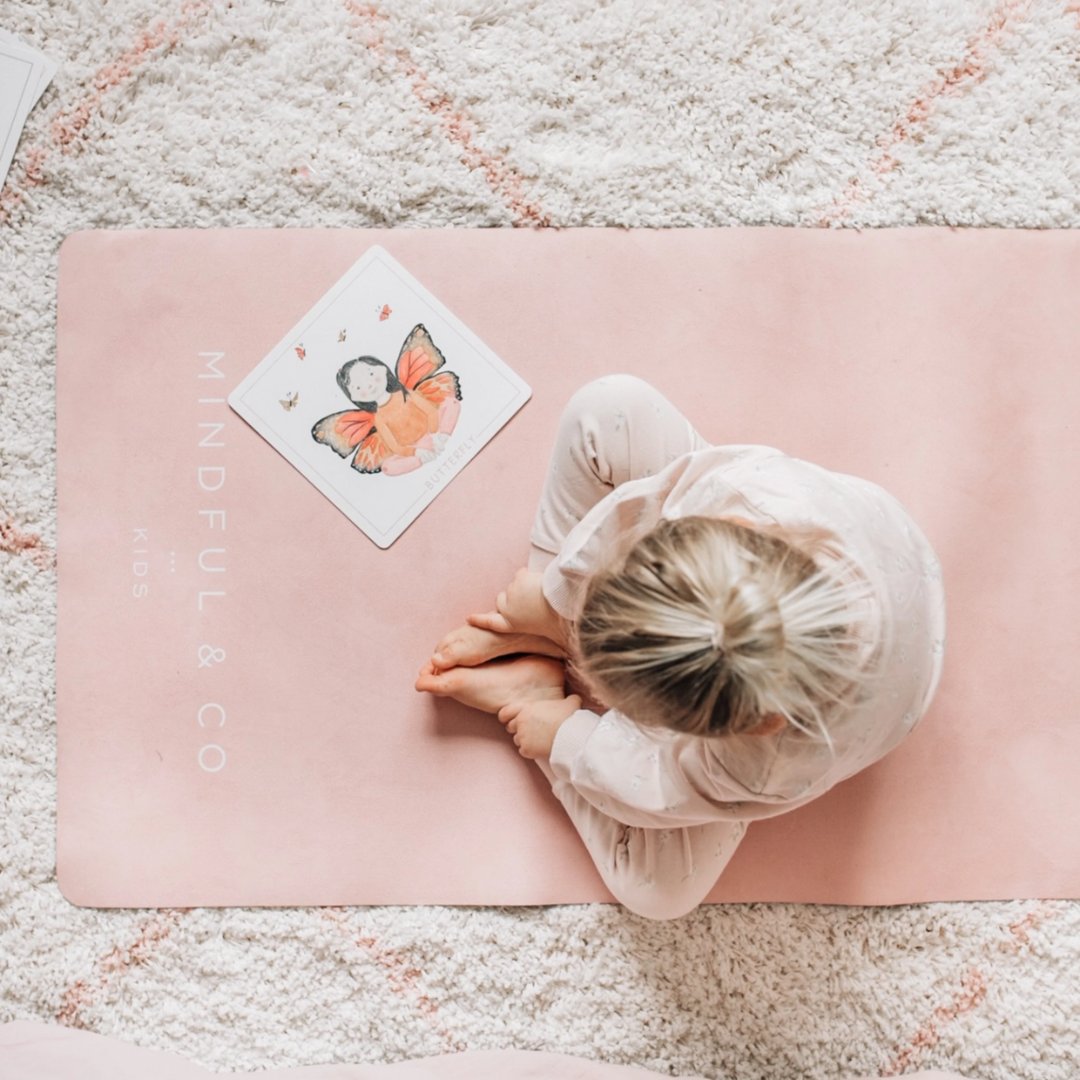
Young children might not be ready to sit still for a meditation, and that is okay. Mindful breathing can be as simple as a few slow breaths together. Start by practising on your own so it feels natural, then invite your kids to join you for a minute or two each day.
Sit together, place a hand on your tummies and notice how they rise and fall with each breath in and out. You could pretend to smell a flower on the in breath and blow out a birthday candle on the out breath. As your children get older, you can gradually stretch the time out or try a short guided recording made for kids.
Even a few minutes a day can help the whole family find a calmer rhythm. Gentle movement works well too, and our post on the benefits of yoga for kids has plenty of ideas.
4. Head Outside for a Nature Walk
Getting outdoors is one of the easiest ways to step away from screens and to do lists, and many families find it helps them feel calmer.
As you walk, slow your pace and turn it into a game of noticing. What can everyone see? Can you hear a magpie, the wind in the gum trees or the crunch of leaves underfoot? What can you smell after the rain? Encourage your kids to take it all in with every sense and to feel each step as they go.
5. Build a Calming Bedtime Routine
Bedtime is a natural moment to slow down, and a predictable, gentle routine can help children wind down before sleep.
Consistency is the secret, both in what you do each night and in roughly when you do it. Switch off screens well before bed, dim the lights, read a story together and finish with a few slow breaths or a quiet chat about the best part of the day. The ABCs of Mindfulness cards also make a gentle bedtime ritual, with one simple prompt to share each night.
Start Small
You do not need to try all five at once. Pick one or two and build from there. Every time you pause, listen or breathe in front of your children, you are showing them a lifelong way to connect with themselves and the world around them.
FAQs
What age can children start learning mindfulness?
Even toddlers can join in with simple breathing and noticing games. Keep it short, playful and hands on, and build up as they grow.
Do I need to be good at mindfulness before I teach it?
Not at all. Kids learn just as much from watching you practise and try again.
How much time should we spend on mindfulness each day?
A few minutes is plenty. A short breathing break, a gratitude chat at dinner and a calm bedtime routine all add up over time.